top of page


No Collections Here
Sort your projects into collections. Click on "Manage Collections" to get started
DOCUMENTARY
Growing up in the Global South, Astrid witnessed untold, resilient realities that deserved to be shared. Torn between a career in social work, anthropology or filmmaking, she chose to impact society through her art, while staying committed to her mission of education and social change. Astrid has worked as a Director, Producer, Editor and Cinematographer of documentaries for over a six years.


Dino Bodega


Dayanna
See Photos below
On a ranch built of mud and hay in the desert of northern Colombia, Dayana, an eight-year-old Wayuu girl, feels for a soccer ball with her feet. Her oldest sister guides her closer. Her father calls out instructions in Wayunaiki on how to kick. Dayana swings, connects, and scores. Her five siblings erupt in cheers as she grins.
Dayana is blind, Wayuu, and fiercely curious. In many rancherías, where dryness bleaches the cactus and wind scours the courtyards, disability is often whispered about or hidden. Her mother chose a different path. Every morning, she walked Dayanna to school, insisting that her daughter’s right to learn was not negotiable. With support from the local secretary of education, the school secured a braille assistant who now sits beside her. Adapting lessons, labeling classroom objects in Braille, and turning the teacher’s voice into tactile, readable knowledge.
In Dayana’s classroom, the lesson of the day is animals. Her classmates study the colorful pictures the teacher hangs on the whiteboard. Birds mid-flight, a lizard basking on a rock, a rabbit frozen mid-hop. Dayana turns instead toward her braille assistant, Daniel. “Can you make me a rabbit?” she asks. Daniel smiles, reaches for a piece of modeling clay, and begins shaping long ears and a rounded back. Dayana’s fingers explore the tiny sculpture, tracing the curves and bumps until the animal takes form in her mind.
Daniel understands better than anyone what it means to translate the world into touch. He was in his fifth semester of engineering when he suffered a retinal detachment that left him blind. The sudden loss pushed him into years of depression—his plans interrupted, his sense of self shaken. It wasn’t until he found Fundación Arcángel that he began to recover. They encouraged him to return to movement, to practice sports, and eventually to join INCI, Colombia’s National Institute for the Blind. There, he learned braille, rebuilt his confidence, and discovered a calling he hadn’t imagined: becoming a braille instructor. Now, beside Dayana, that vocation becomes visible—tactile, even—in every small molded animal, every labeled object, every lesson adapted so she can participate fully.
In this cultural landscape, Dayana’s presence in the classroom and Daniel’s quiet dedication becomes even more significant. Inclusion is not just an educational policy; it is a reweaving of relationships, a subtle shift toward a future where every child, sighted or blind, visible or once hidden, can learn to read the world in their own language.
On a ranch built of mud and hay in the desert of northern Colombia, Dayana, an eight-year-old Wayuu girl, feels for a soccer ball with her feet. Her oldest sister guides her closer. Her father calls out instructions in Wayunaiki on how to kick. Dayana swings, connects, and scores. Her five siblings erupt in cheers as she grins.
Dayana is blind, Wayuu, and fiercely curious. In many rancherías, where dryness bleaches the cactus and wind scours the courtyards, disability is often whispered about or hidden. Her mother chose a different path. Every morning, she walked Dayanna to school, insisting that her daughter’s right to learn was not negotiable. With support from the local secretary of education, the school secured a braille assistant who now sits beside her. Adapting lessons, labeling classroom objects in Braille, and turning the teacher’s voice into tactile, readable knowledge.
In Dayana’s classroom, the lesson of the day is animals. Her classmates study the colorful pictures the teacher hangs on the whiteboard. Birds mid-flight, a lizard basking on a rock, a rabbit frozen mid-hop. Dayana turns instead toward her braille assistant, Daniel. “Can you make me a rabbit?” she asks. Daniel smiles, reaches for a piece of modeling clay, and begins shaping long ears and a rounded back. Dayana’s fingers explore the tiny sculpture, tracing the curves and bumps until the animal takes form in her mind.
Daniel understands better than anyone what it means to translate the world into touch. He was in his fifth semester of engineering when he suffered a retinal detachment that left him blind. The sudden loss pushed him into years of depression—his plans interrupted, his sense of self shaken. It wasn’t until he found Fundación Arcángel that he began to recover. They encouraged him to return to movement, to practice sports, and eventually to join INCI, Colombia’s National Institute for the Blind. There, he learned braille, rebuilt his confidence, and discovered a calling he hadn’t imagined: becoming a braille instructor. Now, beside Dayana, that vocation becomes visible—tactile, even—in every small molded animal, every labeled object, every lesson adapted so she can participate fully.
In this cultural landscape, Dayana’s presence in the classroom and Daniel’s quiet dedication becomes even more significant. Inclusion is not just an educational policy; it is a reweaving of relationships, a subtle shift toward a future where every child, sighted or blind, visible or once hidden, can learn to read the world in their own language.
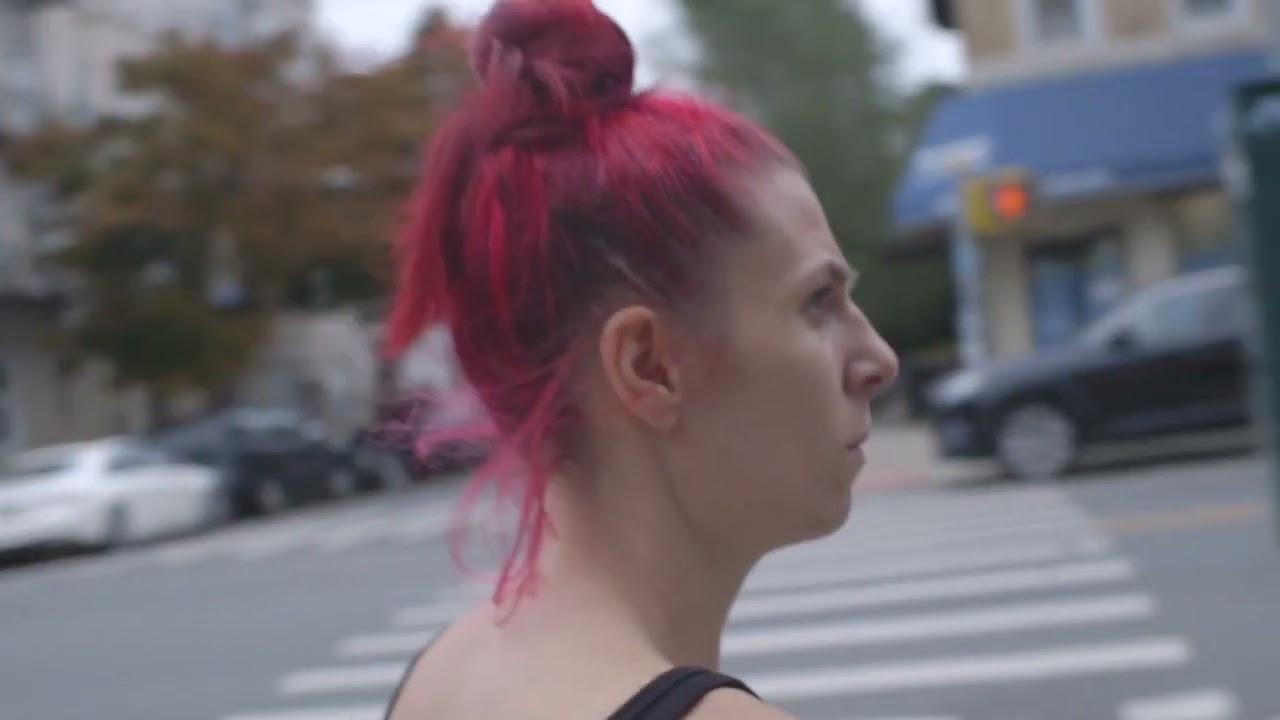
I will do it for free - Director | Editor
See trailer and stills below
Standing in the doorway of a cluttered Bronx apartment, Barbara, a Russian migrant who cleans homes for free, slipped on a pair of rubber gloves and began lifting trash bags that split under their own weight. Roaches scattered across the floor as she worked. The smell seeped into the hallway. Inside, three years’ worth of waste had piled knee-high.
Cases like this point to a largely invisible crisis in New York: individuals living in extreme domestic squalor associated with Diogenes syndrome, a behavioral condition marked by severe self-neglect, hoarding of trash, and social withdrawal. The condition is underreported nationwide, and especially in New York, where fear of eviction, language barriers, and unstable employment keep many residents from seeking help.
Barbara's latest case involves Sara, a woman in her 30s who works two cleaning jobs but could not maintain her own apartment. Friends know her as a busy, social person. No one knew she was living in squalor.
When depression struck, Sara stopped throwing out trash and avoided turning on the lights to keep from seeing roaches in the kitchen. Neighbors noticed urine-filled bags being tossed through her window toward the building’s trash area. Her bathroom had clogged, and she began using plastic bags for her bodily waste because she feared building maintenance would report the condition.
Barbara posts anonymous offers on Facebook to clean for people who feel overwhelmed by their living conditions. Dozens respond privately each month, afraid to reveal their identities publicly. Her husband, a house painter, buys the supplies so she never has to ask for payment.
Standing in the doorway of a cluttered Bronx apartment, Barbara, a Russian migrant who cleans homes for free, slipped on a pair of rubber gloves and began lifting trash bags that split under their own weight. Roaches scattered across the floor as she worked. The smell seeped into the hallway. Inside, three years’ worth of waste had piled knee-high.
Cases like this point to a largely invisible crisis in New York: individuals living in extreme domestic squalor associated with Diogenes syndrome, a behavioral condition marked by severe self-neglect, hoarding of trash, and social withdrawal. The condition is underreported nationwide, and especially in New York, where fear of eviction, language barriers, and unstable employment keep many residents from seeking help.
Barbara's latest case involves Sara, a woman in her 30s who works two cleaning jobs but could not maintain her own apartment. Friends know her as a busy, social person. No one knew she was living in squalor.
When depression struck, Sara stopped throwing out trash and avoided turning on the lights to keep from seeing roaches in the kitchen. Neighbors noticed urine-filled bags being tossed through her window toward the building’s trash area. Her bathroom had clogged, and she began using plastic bags for her bodily waste because she feared building maintenance would report the condition.
Barbara posts anonymous offers on Facebook to clean for people who feel overwhelmed by their living conditions. Dozens respond privately each month, afraid to reveal their identities publicly. Her husband, a house painter, buys the supplies so she never has to ask for payment.

On Our Block - Co-Director | Editor
The decade-long turf war between “The 900” and “The Hoolies” in Bed-Stuy didn’t start with Wesley Jeffreys and Jason Bostic, but they’re determined it ends with them.
What began as teen parties and family hangouts turned out as affiliations to violent street crews. Wesley went to prison for attempted murder when he was still a minor, and Jason dropped out of college when his sister was killed out of town. Their seemingly doomed futures took a turn when they joined a community intervention program led by Jarrell Daniels, a former Bloods member.
What began as teen parties and family hangouts turned out as affiliations to violent street crews. Wesley went to prison for attempted murder when he was still a minor, and Jason dropped out of college when his sister was killed out of town. Their seemingly doomed futures took a turn when they joined a community intervention program led by Jarrell Daniels, a former Bloods member.


Seven Days Warranty - Producer | Cinematographer
About 35%t of U.S. imported flowers come from Colombia.
This film is a city symphony documentary about the people on the farms and the process behind one of the largest roses exporters in the world.
This film is a city symphony documentary about the people on the farms and the process behind one of the largest roses exporters in the world.
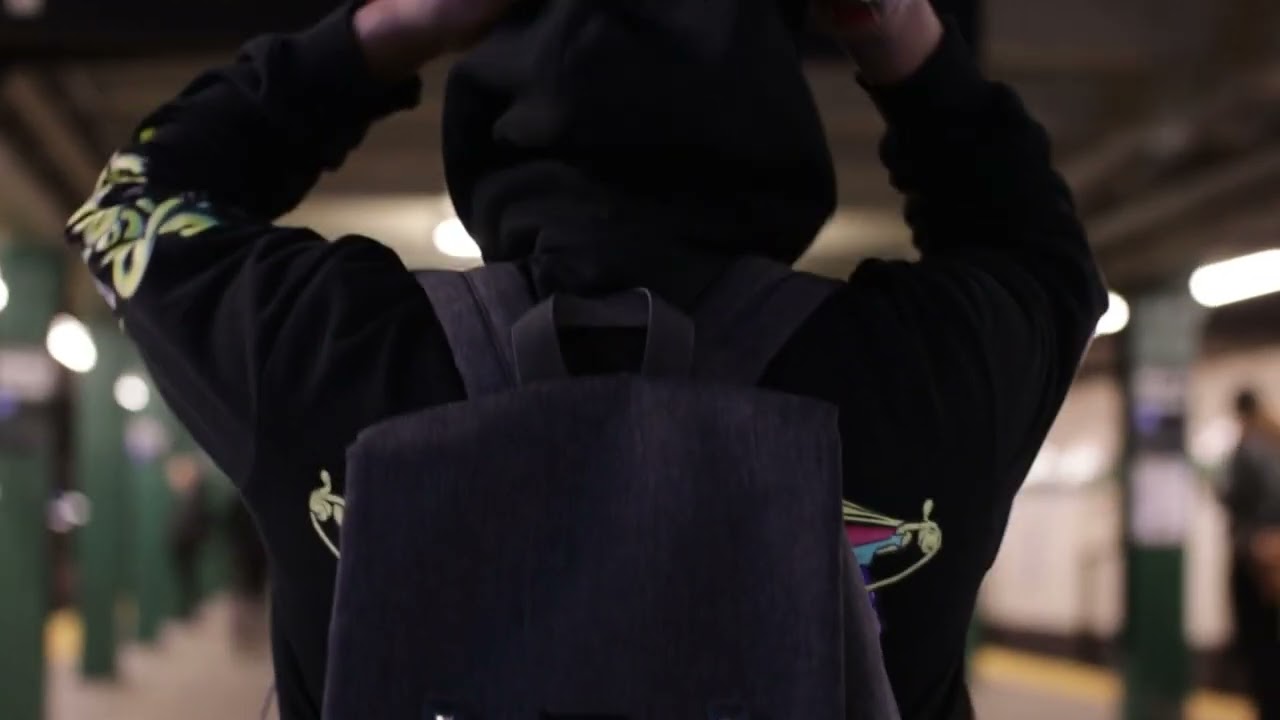
House for unnaccompanied immigrant children (In development) Director | Editor
Hector crossed the border when he was 15 and arrived in New York without family or friends. Working double shifts in an exploitative market and in isolation, Hector confronts the traumas he’s not been able to verbalize. This is the story of thousands of young teenagers who work in the kitchens of New York City.
(In development)
(In development)


Thereabouts 3 | B-roll Camera | Editor Assistant
Two professional Australian cyclists join an expedition through the Andean mountains in Colombia.


Life in Ruins - Cinematographer | Remastered version Editor
An undergrownd mudslide slowly destroyed the houses and church of a small town in the Andes Mountan Range in South America. Years after the disaster families face goverment abandonment and struggle to start their lives again.
Cinematographer. Editor of a remastered version.
Cinematographer. Editor of a remastered version.
bottom of page